 Jazyk
Jazyk 

Industry Insight
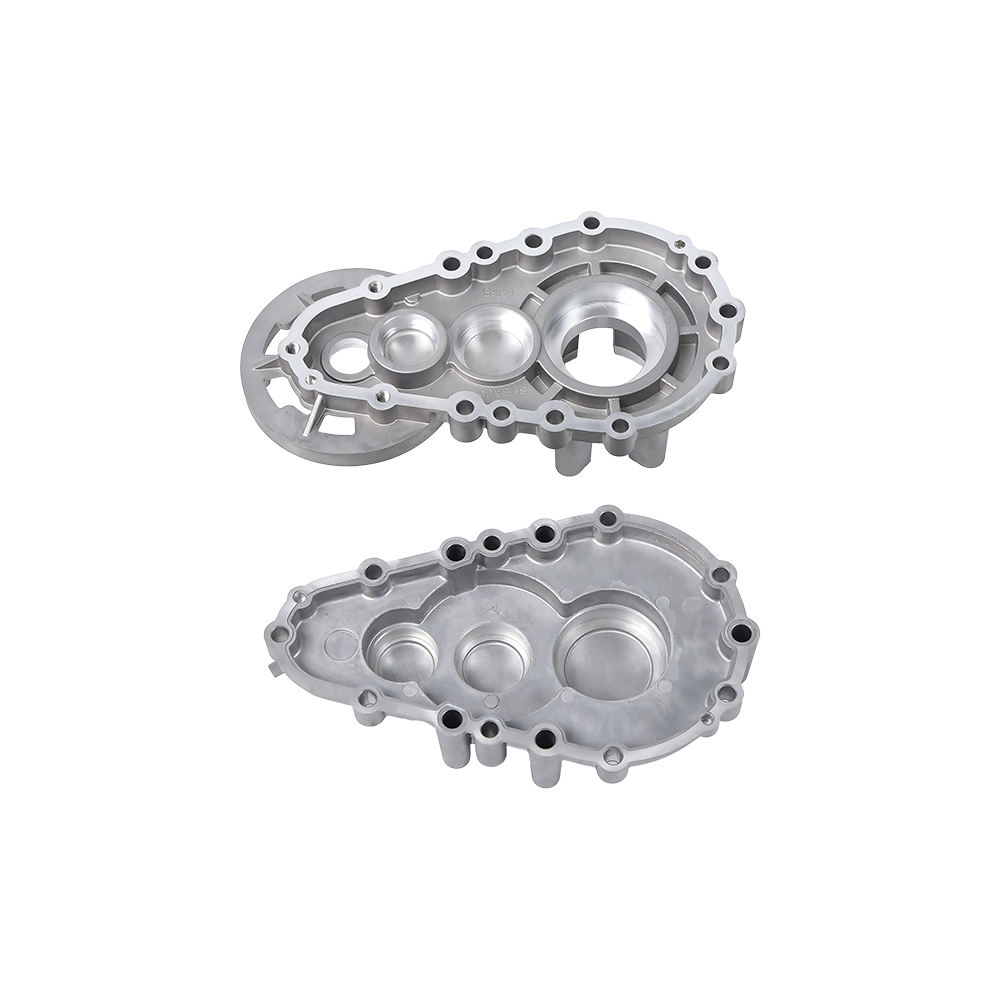
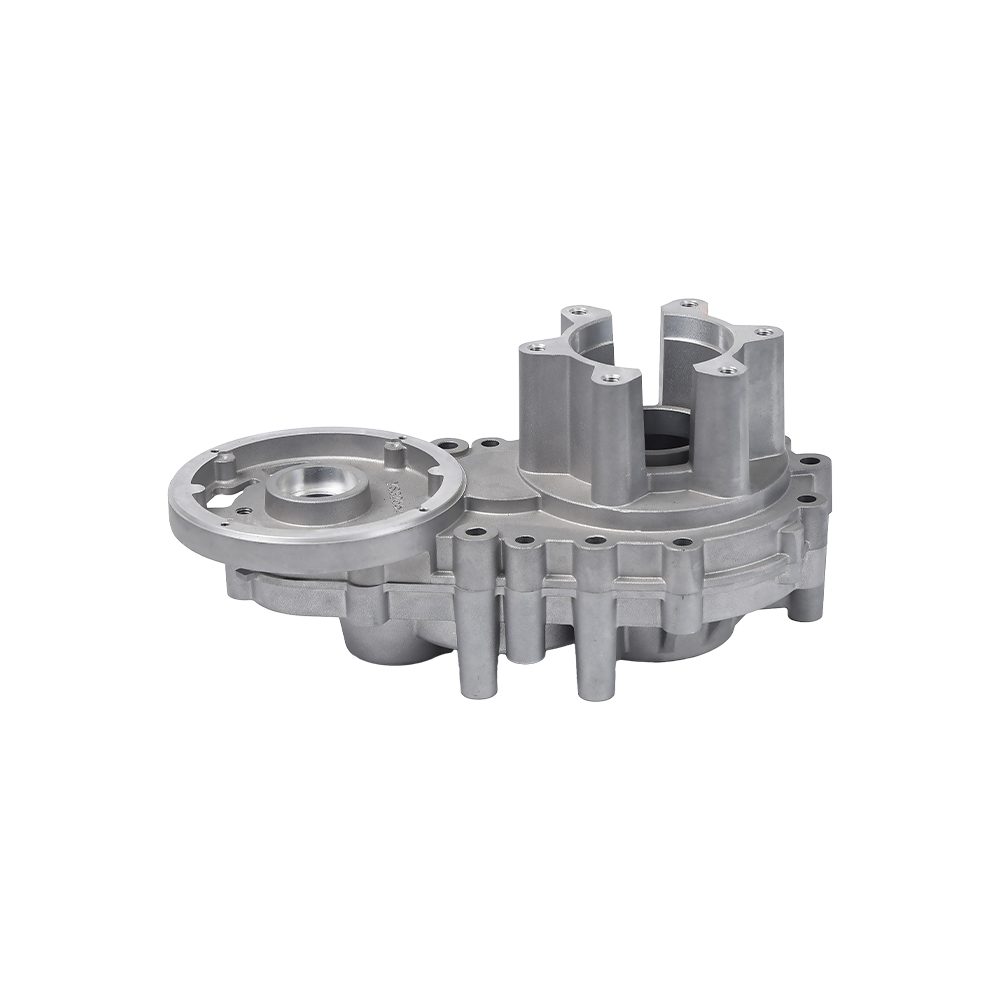
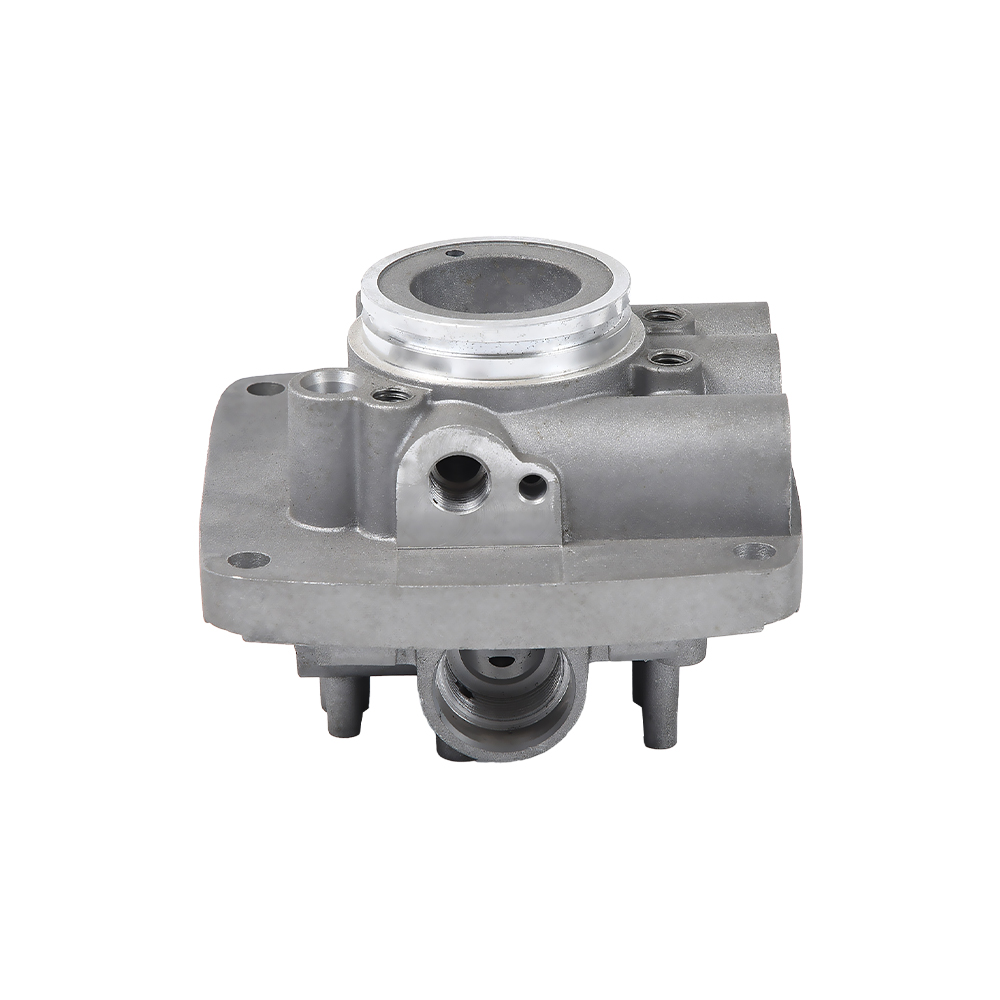
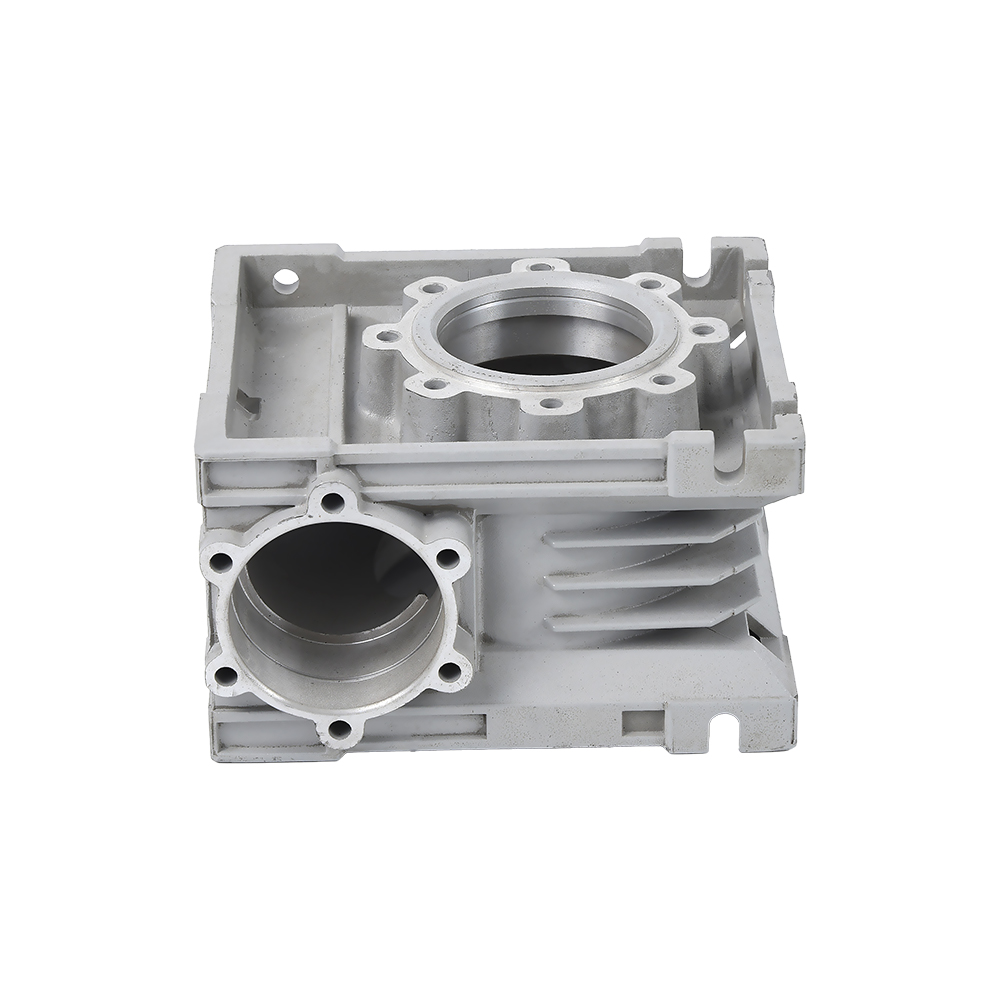
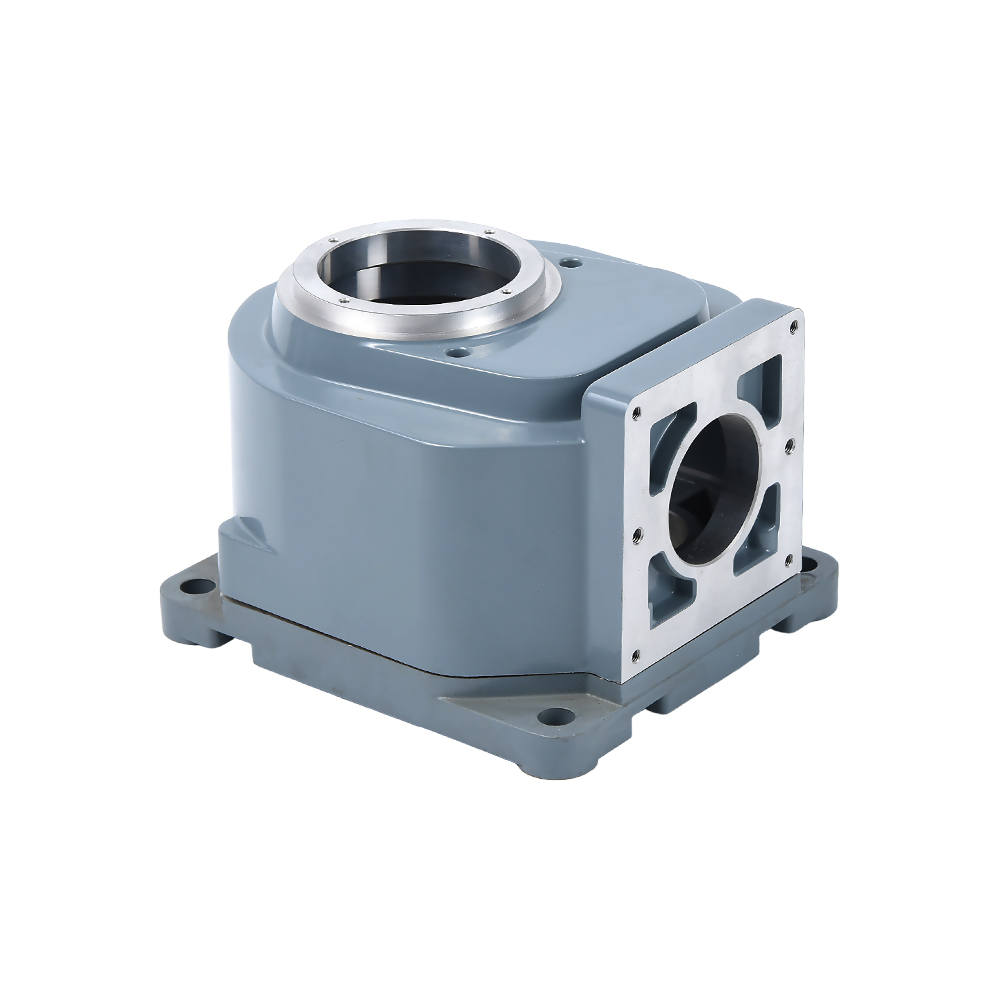
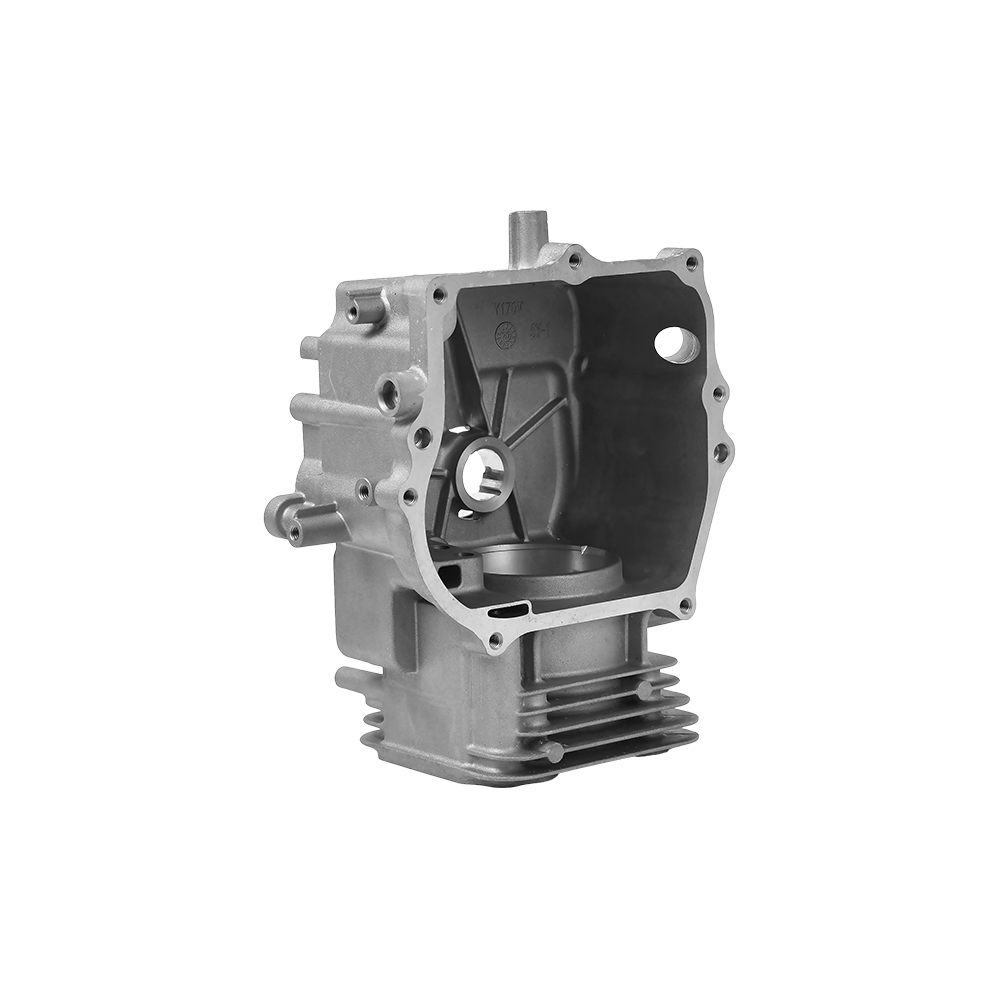
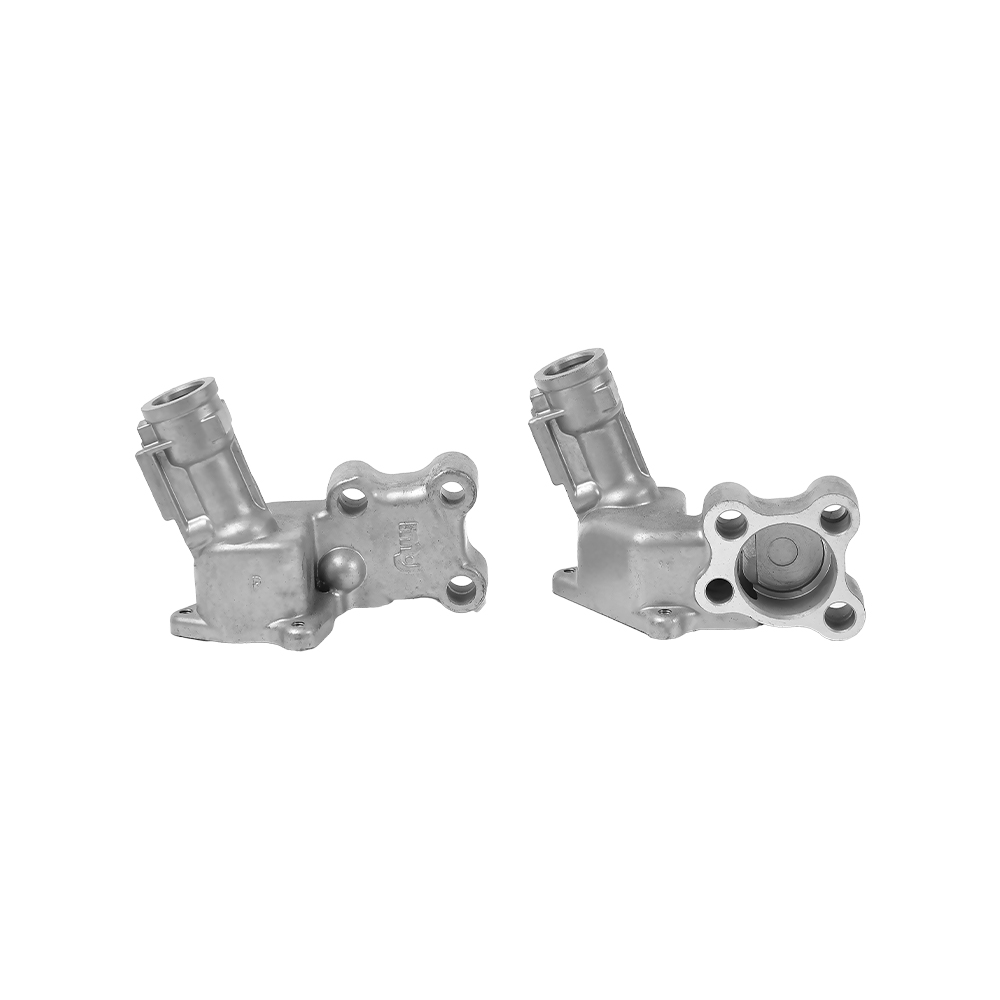
Kryty ventilov z liateho hliníka prekonávajú lisovanú oceľ takmer vo všetkých merateľných kategóriách – ľahšie o 40 – 60 %, sú svojou konštrukciou odolné voči korózii a sú schopné tolerovať trvalé teploty nad 300 °F bez deformácie. Konštruktérom motorov, správcom vozového parku a výkonným predajniam pracujúcim s modernými alebo klasickými pohonnými jednotkami, ak porozumie tomu, čo oddeľuje kvalitný hliníkový odliatok od priemerných, ušetrí skutočné peniaze a zabráni opakujúcim sa poruchám.
Táto príručka sa zaoberá výberom zliatiny, metódami odlievania, rozmerovými toleranciami, povrchovými úpravami a kritériami získavania zdrojov – všetko potrebné na vyhodnotenie krytov ventilov z liateho hliníka s dôverou výrobného inžiniera.
Prečo? Odlievanie hliníka Dominuje vo výrobe krytov ventilov
Oceľové lisovanie bolo v tomto odvetví štandardom po celé desaťročia a stále sa objavuje na lacných náhradných dieloch. Dôvod, prečo hliníkové odliatky prevzali trh s náhradnými dielmi OEM a výkon, spočíva v kombinácii hmotnosti, tepelného manažmentu a slobody dizajnu, ktorým sa lisovanie jednoducho nevyrovná.
Kryt ventilov z liateho hliníka pre typický radový šesťvalec váži medzi nimi 1,8 a 2,4 kg v porovnaní s ekvivalentom lisovanej ocele pri 3,5 až 4,8 kg . Tento rozdiel sa rýchlo akumuluje pri veľkoobjemovej výrobe alebo keď je zníženie hmotnosti regulačným cieľom. Ešte dôležitejšie je, že hmotnosť je odstránená z hornej časti motora – miesto, kde redukcia hmotnosti zlepšuje ťažisko vozidla.
Hliníkový odliatok tiež obsahuje integrované prvky, ktoré by si vyžadovali samostatné zvárané podzostavy z ocele: plniace hrdlá oleja, odvzdušňovacie nástavce, veže so zásuvkou, porty PCV a dokonca aj dekoratívne rebrovanie, ktoré slúži ako konštrukčná výstuž. Žiadna z nich nevyžaduje sekundárne operácie, keď sa odlievajú do geometrie dielu od začiatku.
60 %
Zníženie hmotnosti v porovnaní s lisovanou oceľou na ekvivalentnej geometrii krytu ventilu
300 °F
Trvalá tolerancia prevádzkovej teploty bez skreslenia v správne legovaných odliatkoch
A380
Najbežnejšia tlakovo liata zliatina pre kryty automobilových ventilov – vynikajúca tekutosť a tlaková tesnosť
Metódy odlievania používané na hliníkové kryty ventilov
Nie každý hliníkový odliatok je vyrobený rovnakým spôsobom. Použitý proces určuje štruktúru zŕn, úroveň pórovitosti, rozmerovú konzistenciu a v konečnom dôsledku mechanický výkon hotového dielu. Pri výrobe hliníkových ventilových krytov dominujú tri spôsoby.
01
Vysokotlakové odlievanie (HPDC)
Roztavený hliník sa vstrekuje do kalenej oceľovej matrice pri tlakoch medzi nimi 10 000 a 30 000 psi . Časy cyklu bežia tak rýchlo ako 30 – 60 sekúnd na diel, vďaka čomu je HPDC voľbou pre objemy OEM v miliónoch. Výsledná povrchová úprava je vynikajúca – typicky Ra 1,6–3,2 μm – a rozmerová opakovateľnosť je tesná, s toleranciami ±0,1 mm, ktoré je možné dosiahnuť na dobre udržiavaných nástrojoch. Kompromisom je pórovitosť: zachytený plyn počas rýchleho vstrekovania vytvára mikrodutiny, ktoré môžu ohroziť tlakotesné aplikácie, ak sa neriešia správnym odvetrávaním alebo impregnáciou po procese.
02
Gravitačné odlievanie (trvalá forma)
Hliník prúdi do opätovne použiteľnej kovovej formy iba gravitáciou. Nižšia rýchlosť plnenia umožňuje plyn prirodzenejšie unikať, čím vzniká a hustejšie odlievanie s nižšou pórovitosťou než HPDC. To je dôležité pre kryty ventilov, ktoré musia udržiavať konzistentné tesnenie proti kolísaniu tlaku oleja. Gravitačné tlakové liatie je obľúbené na výkonnom trhu s náhradnými dielmi, pretože podporuje tepelné spracovanie (T5, T6), ktoré zvyšuje pevnosť v ťahu na 250–310 MPa — hodnoty nedosiahnuteľné v častiach HPDC v dôsledku ich vnútornej pórovitosti.
03
Odlievanie do piesku
Piesková forma sa nabalí okolo vzoru, naleje sa hliník a po stuhnutí sa forma odlomí. Toto je najflexibilnejšia metóda – možné sú zložité vnútorné geometrie a veľmi veľké kryty – ale povrchová úprava je drsnejšia (Ra 6,3–12,5 μm) a tolerancie sú širšie (±0,5 mm alebo viac). Kryty ventilov odlievaných do piesku sa objavujú na vysokovýkonných dieselových motoroch, starých reštaurátorských aplikáciách a maloobjemových zákazkových zostavách, kde nie je praktické zdôvodnenie nákladov na nástroje pre HPDC alebo trvalú formu.
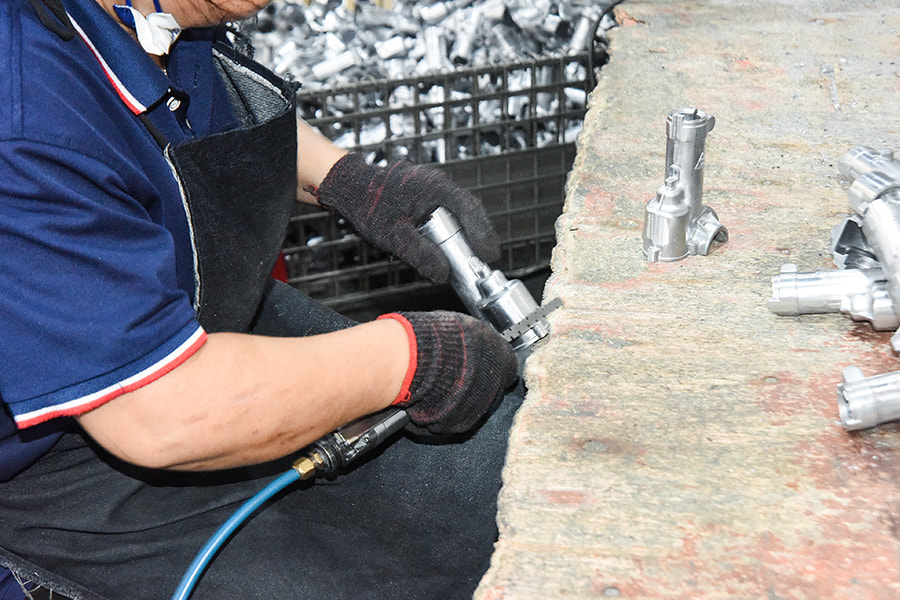
Zliatiny hliníka vybrané na výrobu krytu ventilov
Výber zliatiny je jedným z najdôslednejších rozhodnutí v dizajne hliníkových odliatkov. Zloženie určuje zlievateľnosť, pevnosť, tepelnú vodivosť, odolnosť proti korózii a odozvu na tepelné spracovanie. Nižšie je uvedené porovnanie zliatin najčastejšie špecifikovaných pre kryty ventilov z liateho hliníka.
| Zliatina | Proces Fit | Pevnosť v ťahu (MPa) | Tepelná vodivosť (W/m·K) | Odolnosť proti korózii | Poznámky |
|---|---|---|---|---|---|
| A380 | HPDC | 324 | 96 | Dobre | Najbežnejšia voľba OEM tlakového odliatku; výborná tekutosť |
| A356 | Gravitácia / Piesok | 228 (T6: 310) | 151 | Veľmi dobré | Tepelne spracovateľné; preferované pre výkonné kryty ventilov |
| 319 | Piesok / Gravitácia | 186 (T6: 250) | 109 | Dobre | Vysoký obsah medi; silná, ale nižšia odolnosť proti korózii |
| A413 | HPDC | 300 | 121 | Výborne | Takmer eutektický Si; najlepšia tlaková tesnosť pre tenké steny |
| ADC12 (JIS) | HPDC | 310 | 96 | Dobre | Bežné v ázijských dodávateľských reťazcoch OEM; ekvivalentné A383 |
A356-T6 vyniká pre staviteľov, ktorí potrebujú nízku hmotnosť a štrukturálnu istotu. Po tepelnom spracovaní roztoku pri 540 °C a umelom starnutí pri 155 °C po dobu 4–8 hodín, správne odliaty diel A356 dosiahne pevnosť v ťahu nad 300 MPa a medza klzu nad 220 MPa — porovnateľné s niektorými mäkkými oceľami s tretinovou hustotou. Pre kryty ventilov na vysokootáčkových alebo preplňovaných motoroch, kde je problémom únava z vibrácií, je táto kombinácia zliatinového procesu správnou špecifikáciou.
Dizajnové prvky, ktoré definujú kvalitný hliníkový kryt ventilu
Každý konštrukčný a funkčný prvok krytu ventilu z liateho hliníka odráža sériu technických rozhodnutí prijatých počas fázy návrhu. Pochopenie toho, čo tieto funkcie robia – a čo signalizuje ich absencia – pomáha kupujúcim a špecifikátorom rozlíšiť technické produkty od dovozu komodít.
Rovnomernosť hrúbky steny
Optimálna hrúbka steny pre hliníkový odliatok v aplikáciách krytu ventilov spadá medzi 3,0 a 5,0 mm . Pri profiloch tenších ako 2,5 mm hrozí riziko chybného chodu pri liatí do piesku a studených uzáverov pri tlakovom liatí. Sekcie hrubšie ako 6 mm vytvárajú pomaly chladnúce horúce miesta, ktoré vytvárajú pórovitosť zmršťovania v jadre. Dobre navrhnuté kryty používajú jadro a rebrovanie na udržanie konzistentných častí steny namiesto jednoduchého pridávania materiálu na dosiahnutie pevnosti.
Rebrovanie a štrukturálna výstuž
Vonkajšie rebrá plnia dve funkcie súčasne: vystužujú kryt proti ohybu pri zaťažení skrutkou a zväčšujú plochu povrchu dostupnú pre konvekčné chladenie. Výška rebier by nemala presiahnuť trojnásobok hrúbky steny aby sa zabránilo deformácii počas chladenia. Šírka rebra na základni je zvyčajne 0,6-0,8-násobok hrúbky steny. Kryty, ktoré používajú iba ploché panely bez rebier, sa pod krútiacim momentom vychýlia a spôsobia zlyhanie tesnenia počas niekoľkých prvých tepelných cyklov.
Geometria tesniacej príruby
Tesniaca plocha je najdôležitejšou funkčnou oblasťou akéhokoľvek krytu ventilu. Vo vnútri musí byť plochý 0,05 mm na 100 mm dĺžky po opracovaní, aby sa dosiahlo spoľahlivé stlačenie tesnenia. Kryty liate pod tlakom zvyčajne vyžadujú sekundárny CNC frézovací prechod na tesniacej prírube, aby sa dosiahla táto tolerancia. Miesta skrutiek po obvode musia byť rovnomerne rozmiestnené, aby sa rozložilo upínacie zaťaženie – nerovnomerné rozmiestnenie vytvára lokalizované vysokotlakové a nízkotlakové zóny, ktoré spôsobujú presakovanie oleja aj pri dokonalom tesnení.
Uhly ponoru a umiestnenie deliacej čiary
Uhly ponoru 1° až 3° na vnútorných stenách uľahčujú vyhadzovanie dielov pri tlakovom liatí bez potreby nadmerného obrábania. Deliaca čiara – kde sa obe polovice formy stretávajú – zanecháva na hotovom odliatku viditeľnú svedčiu čiaru. Prémioví výrobcovia umiestňujú deliacu čiaru pozdĺž netesniacich povrchov a spájajú ju s geometriou dielu tak, aby nevytvárali body koncentrácie napätia. Rozpočtové odliatky často vykazujú hrubé, nepremiešané deliace čiary, ktoré telegraficky zobrazujú zlú údržbu formy alebo opotrebovanie nástrojov.
Integrované funkcie Boss
Olejové plniace hrdlá, odvzdušňovacie otvory a veže s cievkou na zástrčke sú najlepšie odliate integrálne a nie zvárané alebo lisované na stĺpik. Integrálne náliatky dosahujú metalurgickú väzbu so základným materiálom – žiadne zóny ovplyvnené teplom, žiadna únava zvaru, žiadne uvoľnenie lisovaného spoja v priebehu času. Na moderných motoroch s priamym zapaľovaním musia byť veže cievky zachované kolmosť v rozmedzí 0,2° od osi valca aby sa zabránilo deformácii spúšte a predčasnému zlyhaniu komponentov zapaľovania.
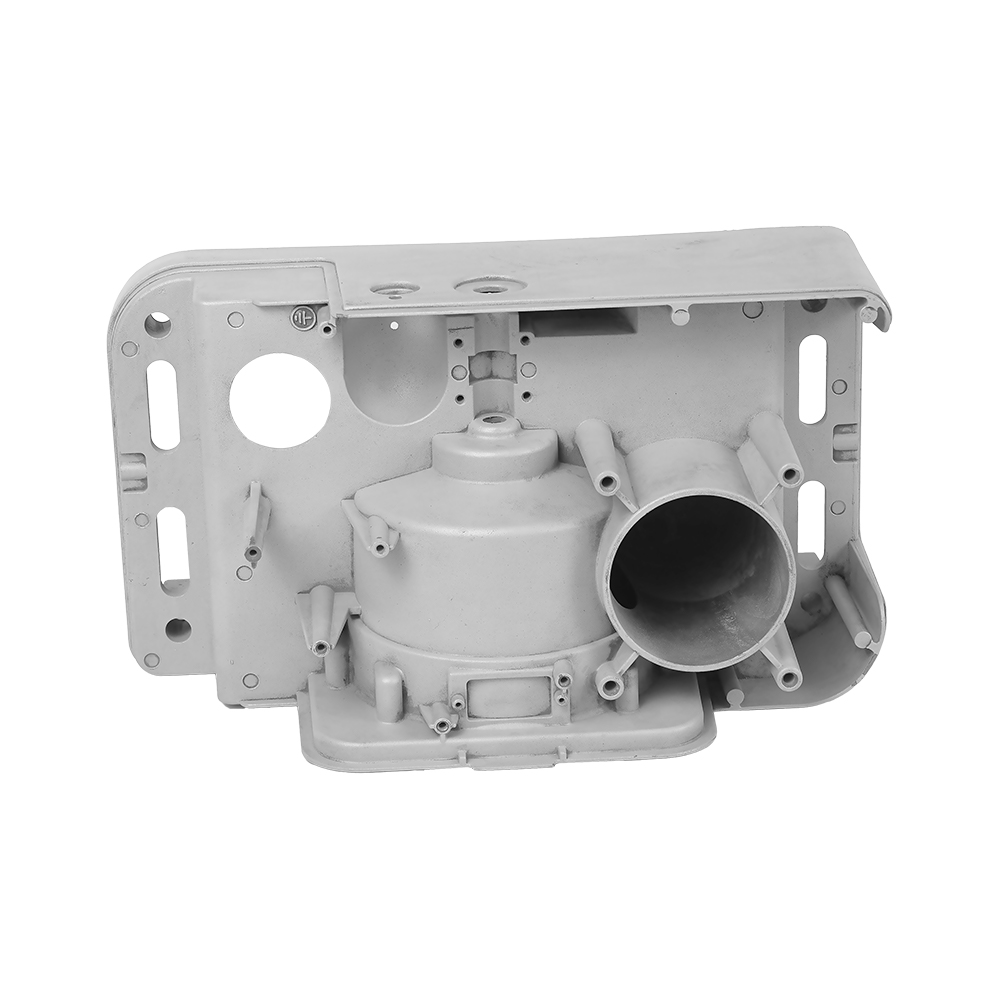
Možnosti povrchovej úpravy pre kryty ventilov z liateho hliníka
Surové hliníkové odliatky vytvárajú prirodzenú oxidovú vrstvu v priebehu niekoľkých hodín od výroby. Táto vrstva poskytuje určitú ochranu, ale je tenká, má nestálu kvalitu a môžu do nej preniknúť kyslé zlúčeniny, ktoré sa časom tvoria v motorovom oleji. Povrchová úprava premení odliatok z prevádzkyschopného komponentu na odolný, utesnený a vizuálne definovaný produkt.
Eloxovanie
Elektrochemická anodizácia zahusťuje prirodzenú oxidovú vrstvu z približne 4 nm na 10-25 μm (Typ II) alebo až 25-150 μm (Tvrdý elox typu III). Výsledný povrch je extrémne tvrdý (HV 300–500), nevodivý a absorbuje farbivo pre farebné odlíšenie. Eloxované kryty ventilov z liateho hliníka odolávajú degradácii oleja a zachovávajú si vzhľad pri tepelných cykloch, ktoré ničia lakované povrchy. Primárnym obmedzením je, že zliatiny HPDC s vysokým obsahom kremíka (A380, A413) eloxujú menej rovnomerne ako tvárnené zliatiny – konzistencia farieb na povrchu sa môže mierne líšiť v dôsledku heterogenity zliatiny.
Práškové lakovanie
Elektrostaticky aplikovaný polymérny prášok vytvrdený pri 180–200 °C vytvára povlak Hrúbka 60-120 μm ktorá je odolná voči nárazom a dostupná v akejkoľvek farbe RAL. Kryty ventilov s práškovým nástrekom dobre znášajú prostredie pod kapotou a sú oveľa odolnejšie ako tekutá farba voči trieskam a degradácii UV žiarením. Proces vyžaduje, aby boli všetky závitové otvory a tesniace príruby pred aplikáciou zamaskované – akékoľvek chýbajúce pokrytie vedie k presahom a problémom s tesnením. Priľnavosť práškového laku na hliníkový odliatok vyžaduje správnu predúpravu: chrómovú konverziu alebo leptanie na báze zirkónu na vytvorenie spojovacej vrstvy.
Priehľadný lak a prírodný povrch
Mnohé výkonné kryty ventilov na trhu s náhradnými dielmi sa predávajú s lešteným alebo brúseným hliníkovým povrchom chráneným čírym náterom. Tento prístup maximalizuje vizuálnu príťažlivosť prirodzenej štruktúry zŕn hliníkového odliatku. Správny číry náter na použitie v motorovom priestore musí tolerovať trvalé teploty 200 °F alebo viac bez žltnutia alebo delaminácie. Dvojzložkové polyuretánové číre farby vo všeobecnosti v tomto prostredí prekonávajú jednostupňové laky. Nepotiahnutý leštený hliník rýchlo oxiduje v prítomnosti vlhkosti a olejových výparov – ide o estetickú voľbu, ktorá si vyžaduje pravidelnú údržbu.
Impregnácia
Vákuová impregnácia – vyplnenie mikropórovitosti anaeróbnou živicou vo vákuu – je následný proces aplikovaný špeciálne na HPDC odliatky určené na tlakotesné aplikácie. Živica preniká do hĺbky 0,5–1,5 mm a utesňuje prepojenú pórovitosť bez ovplyvnenia rozmerov povrchu alebo schopnosti aplikovať následné povrchové nátery. Pre ventilové kryty v aplikáciách s vysokým výkonom, kde sú výrazné kolísanie tlaku v kľukovej skrini, špecifikácia impregnovaného odliatku eliminuje riziko presakovania oleja cez steny odliatku – poruchový režim, ktorý je mimoriadne ťažké diagnostikovať a opraviť v teréne.
Rozmerové tolerancie a overovanie kvality pri odlievaní hliníka
Tolerancia je tam, kde sa technická špecifikácia stretáva s výrobnou úrovňou. Pre kryty ventilov z liateho hliníka je relevantnou medzinárodnou normou ISO 8062-3 (Geometrické tolerancie pre odliatky), ktorá definuje stupne tolerancie CT1 až CT16 na základe spôsobu odlievania a veľkosti dielu. Pochopenie toho, akú triedu špecifikovať – a ako overiť zhodu – zabráni najbežnejšej chybe pri získavaní zdrojov: akceptovaniu vizuálne prijateľných dielov, ktoré rozmerovo zlyhávajú.
| Proces odlievania | Typický stupeň CT | Lineárna tolerancia pri 100 mm (mm) | Vhodné pre priamu montáž |
|---|---|---|---|
| Vysokotlakové odlievanie | CT4 – CT6 | ±0,14 až ±0,38 | Áno (s opracovanou tesniacou prírubou) |
| Gravitačné odlievanie | CT5 – CT8 | ±0,22 až ±0,76 | S opracovanými kritickými povrchmi |
| Odlievanie do piesku | ČT8 – ČT12 | ±0,76 až ±3,2 | Vyžaduje opracovanie všetkých spojovacích plôch |
Metódy kontroly, ktoré stojí za to špecifikovať
Pre prvú kontrolu nového odlievacieho zdroja je minimálnou prijateľnou normou správa súradnicového meracieho stroja (CMM) oproti nominálnej CAD geometrii. Plochosť tesniacej príruby, presnosť polohy nálitkov skrutiek a kolmosť integrovaných veží by sa mali objaviť v inšpekčnej správe so skutočnými nameranými hodnotami – nielen pečiatkami vyhovujúci/neúspešný. Na posúdenie pórovitosti identifikuje röntgenová rádiografia podľa ASTM E505 alebo ekvivalentu vnútorné chyby pred odoslaním dielov. Vyžiadanie röntgenových údajov od dodávateľa o počiatočných vzorkách je štandardnou praxou pri obstarávaní leteckých hliníkových odliatkov a čoraz viac sa očakáva vo výkonných automobilových dodávateľských reťazcoch.
Overenie tepelného spracovania
Pre odliatky A356-T6 by testovanie tvrdosti podľa Brinella (HBW 2,5/62,5) malo vrátiť hodnoty medzi 75 a 90 HBW pre správne ošetrený materiál. Hodnoty pod 70 HBW naznačujú nedostatočné starnutie; hodnoty nad 95 HBW naznačujú nadmerné starnutie alebo nesprávnu identifikáciu zliatiny. Vyžiadajte si certifikáty o skúške tvrdosti s číslami šarží, ktoré vedú k odlievanej dávke. Dodávatelia, ktorí nie sú ochotní poskytnúť dokumentáciu o sledovateľnosti, predstavujú riziko spoľahlivosti bez ohľadu na kvalitu vzorky.
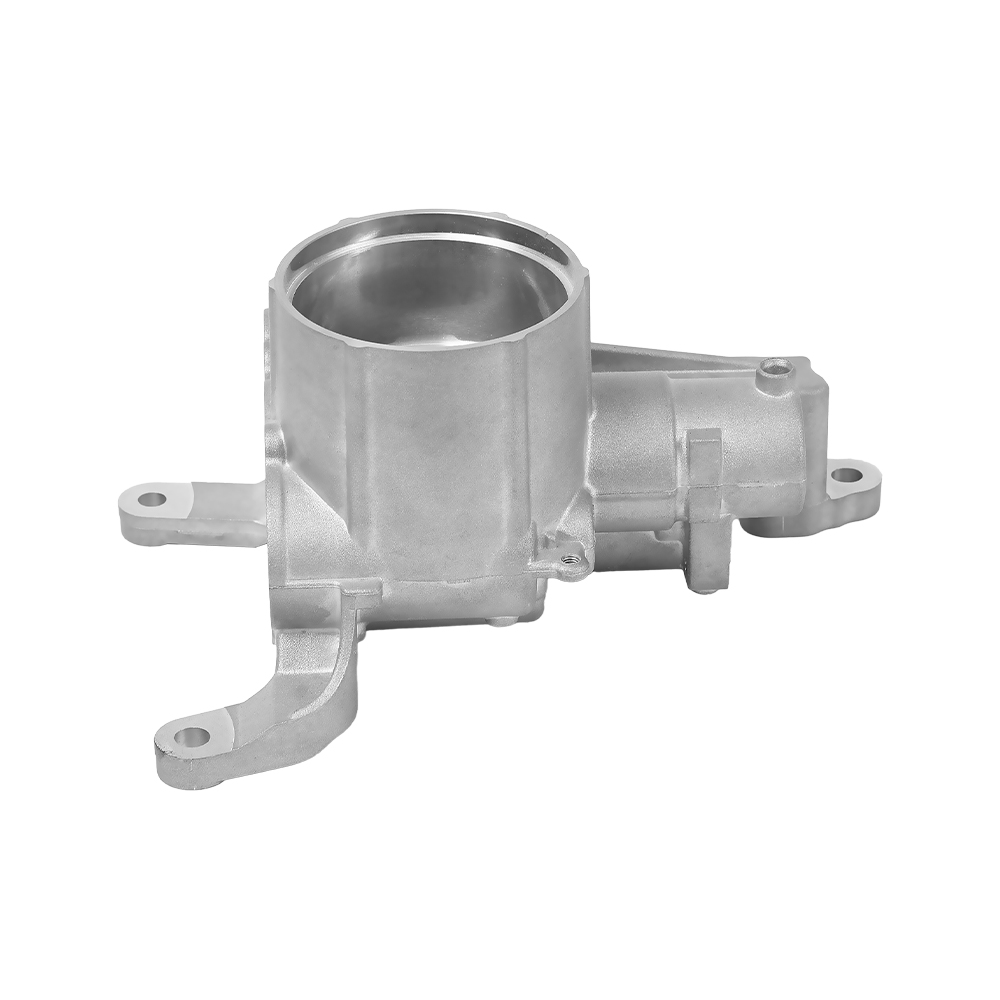
Bežné poruchové režimy krytov ventilov z liateho hliníka a ako im predchádzať
Pochopenie toho, prečo kryty ventilov zlyhávajú v servise, vedie k rozhodnutiam o nákupe aj inštalačným postupom. Väčšina porúch má pôvod v jednej zo štyroch základných príčin.
1
Presakovanie oleja na tesniacej prírube
Najčastejšia sťažnosť. Hlavnými príčinami sú nedostatočná rovinnosť tesniaceho povrchu (viac ako 0,1 mm odchýlka cez prírubu), nerovnomerný krútiaci moment skrutiek, nesprávne nastavenie stlačenia tesnenia alebo nesúlad tepelnej rozťažnosti medzi hliníkovým krytom a liatinovou hlavou. Hliník expanduje pri 23,6 μm/m°C oproti liatinovým 11,8 μm/m°C — takmer dvojnásobná sadzba. Táto rozdielna expanzia pri prevádzkovej teplote môže zvýšiť kompresiu tesnenia v niektorých zónach a znížiť ju v iných. Kompozitné tesnenia z korku a gumy to zvládajú lepšie ako tesnenia z pevných vlákien, pretože majú pružnejšiu regeneráciu pri cyklickom zaťažení.
2
Cracking at Bolt Boss Locations
Primárnou príčinou je nadmerné natáčanie. Hliníkový odliatok má nižšiu medzu klzu ako oceľ a náliatky sú body koncentrácie napätia podľa geometrie. Správna špecifikácia krútiaceho momentu pre skrutky M6 do hliníkových nálitkov je zvyčajne 8–12 N·m ; pri prekročení 15 N·m hrozí riziko odizolovania alebo prasknutia počas prvej inštalácie. Závitové vložky (Helicoil alebo Keenserts) inštalované vo výrobe zlepšujú nosnosť závitu a umožňujú opätovné utiahnutie nálitku bez rizika oderu základného hliníka.
3
Pórovitosť-riadený olej plač
Olej, ktorý sa zdá, že presakuje skôr cez odlievaciu stenu než cez tesnenie, je takmer vždy spojený s pórovitosťou. Toto je bežnejšie u dielov HPDC a odliatkov od dodávateľov, ktorí prevádzkujú tlaky alebo teploty formy mimo optimálneho okna, aby sa skrátil čas cyklu. Vákuová impregnácia po odliatí úplne eliminuje tento spôsob zlyhania. V prípade odliatkov, ktoré sú už v prevádzke, je možné použiť tesniace tmely s nízkou viskozitou zvonka ako opravu v teréne, ale základná chyba zostáva a znova sa prejaví pri tepelných cykloch.
4
Korózia na odlišných kovových rozhraniach
Keď sa hliníkový odliatok dostane do kontaktu s oceľovým spojovacím prvkom v prítomnosti vlhkosti alebo korozívnych tekutín, galvanická korózia urýchľuje stratu hliníka okolo otvoru pre skrutku. Potenciálny rozdiel medzi oceľou a hliníkom je približne 0,5 – 0,8 V vo väčšine elektrolytických prostredí. Zmes proti zadieraniu aplikovaná na závity skrutiek počas montáže preruší galvanický okruh a zabráni tomu, aby sa spojovací prvok časom privaril k nálitku. Toto je obzvlášť dôležité na krytoch ventilov inštalovaných na motoroch vo vysoko vlhkom alebo morskom prostredí.
Získavanie krytov ventilov z liateho hliníka: Na čom záleží okrem ceny
Rozhodnutia o obstarávaní pre kryty ventilov z liateho hliníka často nezodpovedajú porovnávaniu cien, čo je správny východiskový bod, ale neúplný rámec rozhodovania. Celkové náklady na vlastníctvo počas viacročného dodávateľského vzťahu ovplyvňujú celkové náklady na vlastníctvo, riziko úniku z kvality, spoľahlivosť dodacej lehoty a podmienky vlastníctva nástrojov.
- Vlastníctvo nástrojov: V kúpnej zmluve jasne uveďte, kto je vlastníkom nástroja na matricu alebo formu. Nástroje vo vlastníctve dodávateľa vytvárajú závislosť – spor o cenu môže viesť k strate prístupu k výrobnému nástroju a drahému prerábaniu nástrojov z alternatívneho zdroja. Nástroje vo vlastníctve zákazníka sú preferovaným usporiadaním pre akýkoľvek objem nad niekoľko tisíc kusov ročne.
- Materiálová certifikácia: Uveďte, že ku každej zásielke musí byť priložená správa o skúške materiálu (MTR), ktorá uvádza chemické zloženie taveniny použitej pre danú dávku. Nahradenie sekundárneho hliníka nižšej kvality – prepracovaného šrotu s nekontrolovanými úrovňami nečistôt – je skutočným rizikom v cenovo konkurencieschopných dodávateľských reťazcoch hliníkových odliatkov a zhoršuje mechanické vlastnosti aj kvalitu povrchovej úpravy.
- Kontrola prvého článku (FAI): Pred schválením nového dodávateľa alebo novej revízie nástrojov si vyžiadajte celorozmernú správu FAI. FAI by mala obsahovať údaje CMM, merania povrchovej úpravy, výsledky skúšok tvrdosti, ak sú tepelne ošetrené, a prípadne údaje o funkčnej tesnosti.
- Kapacita a dodacia lehota: Dodávateľ s jediným strojom na tlakové liatie, ktorý prevádzkuje vašu súčiastku, predstavuje jediný bod zlyhania. Dodávatelia s redundantným zariadením a preukázanou schopnosťou prispôsobiť sa objemovým špičkám 20 – 30 % nad základnou úrovňou sú podstatne menej rizikové, dokonca aj pri miernej prirážke za jednotkové náklady.
- Sekundárne interné operácie: Dodávatelia, ktorí vykonávajú CNC obrábanie, povrchovú úpravu a kontrolu rozmerov pod jednou strechou, znižujú počet manipulačných presunov a možnosti poškodenia. Časti, ktoré cestujú medzi viacerými subdodávateľmi pre rôzne operácie, kumulujú riziko poškodenia počas prepravy a medzery v dokumentácii.
- Kontinuita od prototypu po výrobu: Potvrďte, že dodávateľ, ktorý vyrába vaše schvaľovacie vzorky, spustí výrobu na rovnakom zariadení a s rovnakými parametrami procesu. Presuny procesov medzi prototypom a výrobnými nástrojmi alebo medzi zariadeniami bez opätovného overenia sú bežným zdrojom únikov z kvality prvej výroby.
Najlepšie postupy inštalácie pre kryty ventilov z liateho hliníka
Dokonca aj správne vyrobený kryt ventilu z liateho hliníka predčasne zlyhá, ak je nesprávne nainštalovaný. Nasledujúca postupnosť inštalácie platí pre väčšinu automobilových aplikácií a rieši najčastejšie chyby pri inštalácii.
- Vyčistite tesniacu lištu hlavy valcov plastovou škrabkou a rozpúšťadlom, aby ste odstránili všetky stopy predchádzajúceho tesnenia a zvyšky oleja. Čistiace prostriedky bezpečné pre hliník zabraňujú leptaniu povrchu hlavy.
- Skontrolujte tesniacu prírubu krytu ventilu rovným okrajom. Akákoľvek odchýlka väčšia ako 0,05 mm po celej dĺžke vyžaduje opätovné opracovanie príruby – nepokúšajte sa kompenzovať dodatočným tmelom.
- Inštalujte nové tesnenie nasucho, pokiaľ výrobca tesnenia výslovne nešpecifikuje tenký okraj RTV v rohoch alebo T-spojoch. Nadmerná aplikácia RTV na spoj kompresného tesnenia je hlavnou príčinou upchatia olejového sitka spôsobeného kontamináciou.
- Pred použitím krútiaceho momentu ručne zaskrutkujte všetky upevňovacie prvky. To potvrdzuje, že všetky závity sú správne zapojené a zabraňuje krížovému závitovaniu, ktoré mimoriadne poškodzuje hliníkové nástavce.
- Krútiaci moment prechádzajúci zo stredu smerom von, v troch stupňoch: 30 % konečného krútiaceho momentu, 70 %, potom 100 %. Pre väčšinu automobilových aplikácií to znamená 4 N·m, 8 N·m, potom 10 N·m pre upevňovacie prvky M6 do hliníka.
- Pred naštartovaním motora nechajte tesniaci tmel RTV (ak je použitý na špecifikovaných spojoch) vytvrdnúť minimálne jednu hodinu pri teplote okolia. Úplné vytvrdnutie zvyčajne vyžaduje 24 hodín; jednohodinové čiastočné vytvrdnutie postačuje, aby sa zabránilo vymytiu pri prvom spustení.
- Po prvom zahrievacom cykle (motor na prevádzkovú teplotu a späť na okolitú teplotu) skontrolujte hodnoty krútiaceho momentu na všetkých upevňovacích prvkoch. Stlačenie tesnenia a tepelná rozťažnosť zvyčajne znižujú efektívne upínacie zaťaženie 10 – 15 % po prvom cykle a jediné opätovné utiahnutie v tomto bode zabráni vzniku netesností v prevádzke.
Pochopenie cenového rozpätia krytov ventilov z liateho hliníka
Kryty ventilov z liateho hliníka pokrývajú široké cenové rozpätie – od menej ako 30 USD za základné náhradné jednotky až po viac ako 600 USD za eloxované kryty pre závodné použitie. Cena odráža skutočné rozdiely vo výrobných nákladoch, nie výlučne maržu značky.
Vstupná úroveň
25 – 80 dolárov
HPDC výroba, A380 alebo ekvivalentná zliatina, liata alebo jednovrstvová lakovaná povrchová úprava, základná rozmerová kontrola. Vhodné na výmenu OEM na sériových motoroch bez úprav výkonu. Zvyčajne pochádzajú z veľkoobjemových zlievarní na trhoch s konkurenčnou cenou. Certifikácia materiálu sa často neposkytuje bez osobitnej žiadosti.
Stredný trh
80 – 250 dolárov
Gravitačná matrica alebo HPDC s opracovanou tesniacou prírubou, A356 alebo ekvivalentná zliatina, eloxovaná alebo prášková povrchová úprava, k dispozícii je protokol o rozmeroch, funkčne testované. Väčšina výkonných pouličných stavieb spadá do tohto rozsahu. Typickými rozlišovacími znakmi sú integrované špirálové veže so správnou toleranciou kolmosti, integrovanými odvzdušňovacími systémami a viacerými možnosťami povrchovej úpravy.
Premium
250 – 600 dolárov
Gravitačné odlievanie A356-T6 s úplnou kontrolou CMM, tvrdý elox alebo zákazkový práškový náter, vákuovo impregnované, závitové vložky na všetkých čapoch, dodávané s hardvérovou súpravou a inštrukciami na inštaláciu. Aplikácie v závodnej a výstavnej kvalite. V tomto cenovom bode by kupujúci mali dostať kompletný balík FAI, správy o skúške materiálu a definovanú záruku na chyby odliatku.
Stredná úroveň predstavuje najlepšiu hodnotu pre väčšinu aplikácií. Cenová výhoda základného produktu je často negovaná jedinou reklamáciou, jednou opakovanou inštaláciou z dôvodu netesnosti alebo mzdovými nákladmi na skorší interval výmeny, než sa očakávalo. Prvá investícia do rozmerovo overeného, správne tepelne upraveného hliníkového odliatku je hospodárnejším rozhodnutím v horizonte troch až piatich rokov vlastníctva.